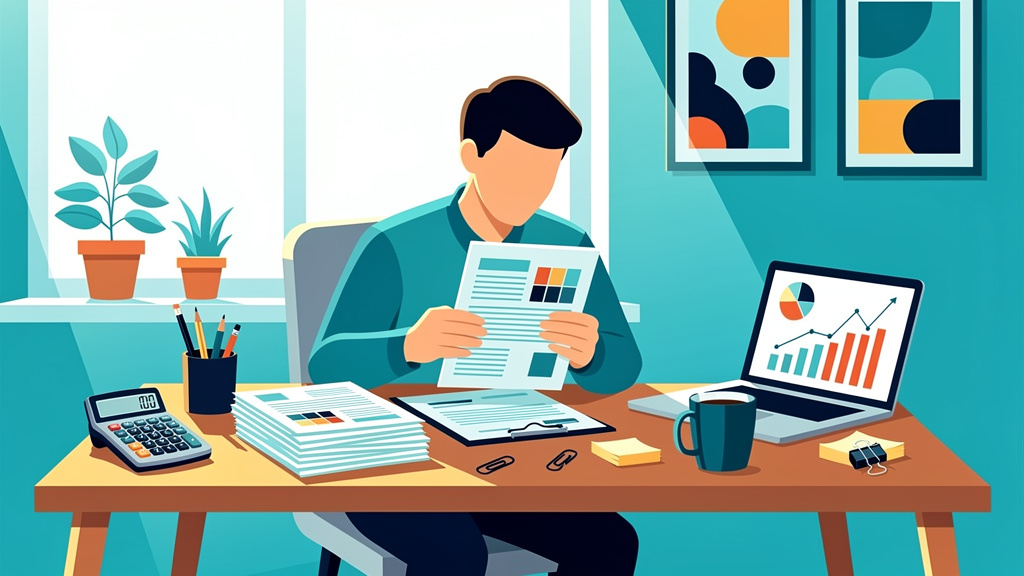
Why Building an Emergency Fund Is Different From Just Saving Money
The real issue is how you build and manage that emergency savings fund so it actually protects you when life throws a curveball.
Building an emergency fund differs from regular saving because it focuses on setting aside a specific, liquid cash reserve solely for unexpected expenses like medical emergencies or job loss. Unlike general savings, an emergency fund prioritizes accessibility and stability over growth, ensuring financial security during crises.
The Part Most Personal Finance Tips Skip
Most guides lump emergency funds in with general savings accounts, telling you to “save three to six months of expenses” and be done with it. You need to distinguish between an emergency fund and a savings account clearly. An emergency fund isn’t just money you don’t spend—it’s a financial tool to prevent income shocks from spiraling into debt traps.
Why? Because most people keep their emergency savings in accounts they tap for vacations, gadgets, or even “just because.” By the time a real emergency happens, the fund isn’t there or isn’t enough. Plus, mixing it with everyday savings often means it’s kept in low-interest accounts with limited liquidity or higher withdrawal penalties. That’s why I recommend separate accounts dedicated solely to emergencies. It’s a small step, but it saves a lot of headaches.
How to Save Money Effectively for Emergencies
Building a robust emergency fund isn’t just about setting money aside. You need income management strategies that work with your day-to-day and your long-term financial security planning.
- Set a realistic monthly savings target based on your actual expenses, not your wishful thinking.
- Automate transfers to a high-yield savings account specifically labeled “Emergency Fund.”
- Cut out non-essential spending temporarily—things like dining out or subscription services—until you reach a minimum buffer of three months’ expenses.
- Revisit your budget regularly; personal budgeting and finance aren’t “set it and forget it” tasks.
I usually recommend accounts with easy access but low temptation to withdraw frequently. For some clients, I point them to online banks like Ally or Discover, which offer decent interest rates without the branch temptation. According to IRS guidelines, how you structure your emergency savings can even affect your tax planning for individuals if interest income grows.
Why Local Income Patterns Change the Game
Something I’ve noticed in this market is how seasonal income swings impact emergency fund planning. Many folks here rely on gig work or seasonal jobs, which means their income fluctuates more than a standard 9-to-5 salary. That volatility makes rigid budgeting and saving money tricky unless you tailor your approach.
For example, I had a client whose income dropped by half in winter months. We adjusted her emergency fund target to cover six months instead of three and set up a tiered saving strategy—saving aggressively during high-earning months, then pulling from the fund during leaner times without panic. This kind of financial security planning is critical where seasonal jobs dominate.
Managing Personal Income Tax as Part of Your Emergency Fund Strategy
Many people don’t realize how tax planning ties into emergency fund management. If you’re not careful, tax season can wipe out a chunk of your savings if you haven’t accounted for income tax deductions and liabilities.
Here’s what I tell every client: understand your income tax deductions guide. This means tracking deductions related to your job, health expenses, and even your home office if you qualify. Saving money for emergencies is more effective when you know how to minimize your income tax burden legally. For freelancers and gig workers, I often refer them to resources like How to File Gig Worker Taxes Without Bleeding Money or Losing Your Mind.
Three Questions You Should Ask Before Building Your Emergency Fund
- What expenses do I absolutely need to cover if my income stops tomorrow? (Hint: prioritize rent, utilities, and food over discretionary spending.)
- Where will I keep this emergency fund to balance accessibility and safety? (Avoid cash stuffed in a drawer.)
- How does my current income tax situation affect my ability to save and access funds without penalties?
Answering these helps you avoid common pitfalls and sets a practical foundation for long term financial security.
Emergency Fund vs Savings Account: What I Tell My Clients
The short answer: don’t treat them as the same thing. I’ve seen households with a savings account full of non-emergency money but zero real financial cushioning when disaster strikes.
Here’s the deal: your emergency fund should be liquid, separate, and untouchable except for true emergencies. Your regular savings account can be for upcoming planned expenses, like a vacation or a new appliance. Mixing the two dilutes the purpose of each and weakens your financial health.
How to Improve Financial Health by Reframing Income Management Strategies
Improving your financial health isn’t just about saving more. It’s about managing your income tax, budgeting, and saving money in a way that reflects your real life, not some generic blueprint.
Here’s what I recommend:
- Track your income streams closely, especially if you have multiple sources like side gigs or rental income.
- Plan your taxes throughout the year, not just at filing time. This avoids surprises and lets you adjust savings accordingly.
- Use budgeting tools or apps that fit your style—some people I work with swear by Mint, others prefer spreadsheets.
- Keep reviewing your emergency fund yearly. Expenses change, and so should your savings target.
Signs You Need Personal Finance, Income, Tax Help: A Diagnostic Checklist
If you’re wondering when to get professional advice, here are some warning signs:
- You don’t have enough saved to cover unexpected expenses beyond a month’s worth.
- Your income taxes feel confusing or overwhelming, and you’re afraid of penalties.
- You keep tapping your “savings” for non-emergency purchases and scrambling when real emergencies hit.
- You experience frequent income fluctuations but no clear plan to manage them.
For urgent questions, I’m usually available same-day to help clarify. Everything I do comes with a 90-day warranty on my financial planning advice—if something isn’t right, I come back and work with you until it is.
FAQs About Emergency Funds and Tax Planning
Is it safe to keep my emergency fund in a regular savings account?
It’s safer to keep it separate from regular savings. That separation helps avoid accidental spending and usually means better interest rates tailored for emergency liquidity, as I’ve seen with clients using online banks.
How much should my emergency fund cover?
At a minimum, three months of essential expenses. If your income fluctuates or you’re in a high-cost area, aim for six months or more.
When should I adjust my emergency savings target?
Review it annually or after any major life change: a new job, a shift in expenses, or a change in family status.
If you want to dive deeper into tax strategies that work with your emergency fund, I suggest checking out Why Long-Term Tax Planning Beats Last-Minute Income Tax Filing to avoid the traps I see all the time.
Ultimately, improving your personal budgeting and finance means facing the reality of your income and expenses head-on, not just following cookie-cutter advice. An emergency fund done right is your best defense against financial shocks. If you want to know exactly where to start or how to tweak your current plan, I’m here with free estimates and straightforward guidance.